Telepsychiatry in Georgia
Telepsychiatry uses secure telecommunications technology to provide psychiatric care when a virtual visit is clinically appropriate. A thoughtful appointment still involves assessment, clinical judgment, privacy, safety planning and individualized treatment decisions.

Telepsychiatry changes where the appointment takes place, but it does not remove the need for careful assessment, clinical judgment, confidentiality, appropriate follow-up or a plan for situations that require in-person or emergency care.
Virtual psychiatric care has become an important way for patients to access mental health services without traveling to the clinician's office for every appointment. For some people, that can make care easier to fit around work, family responsibilities, transportation limitations or distance.
But telepsychiatry is more than a convenient video call. For patients considering telepsychiatry in Georgia, it is useful to understand what a virtual psychiatric visit can include, what information the provider still needs, how privacy and safety are handled and when another type of care may be more appropriate.
What is telepsychiatry?
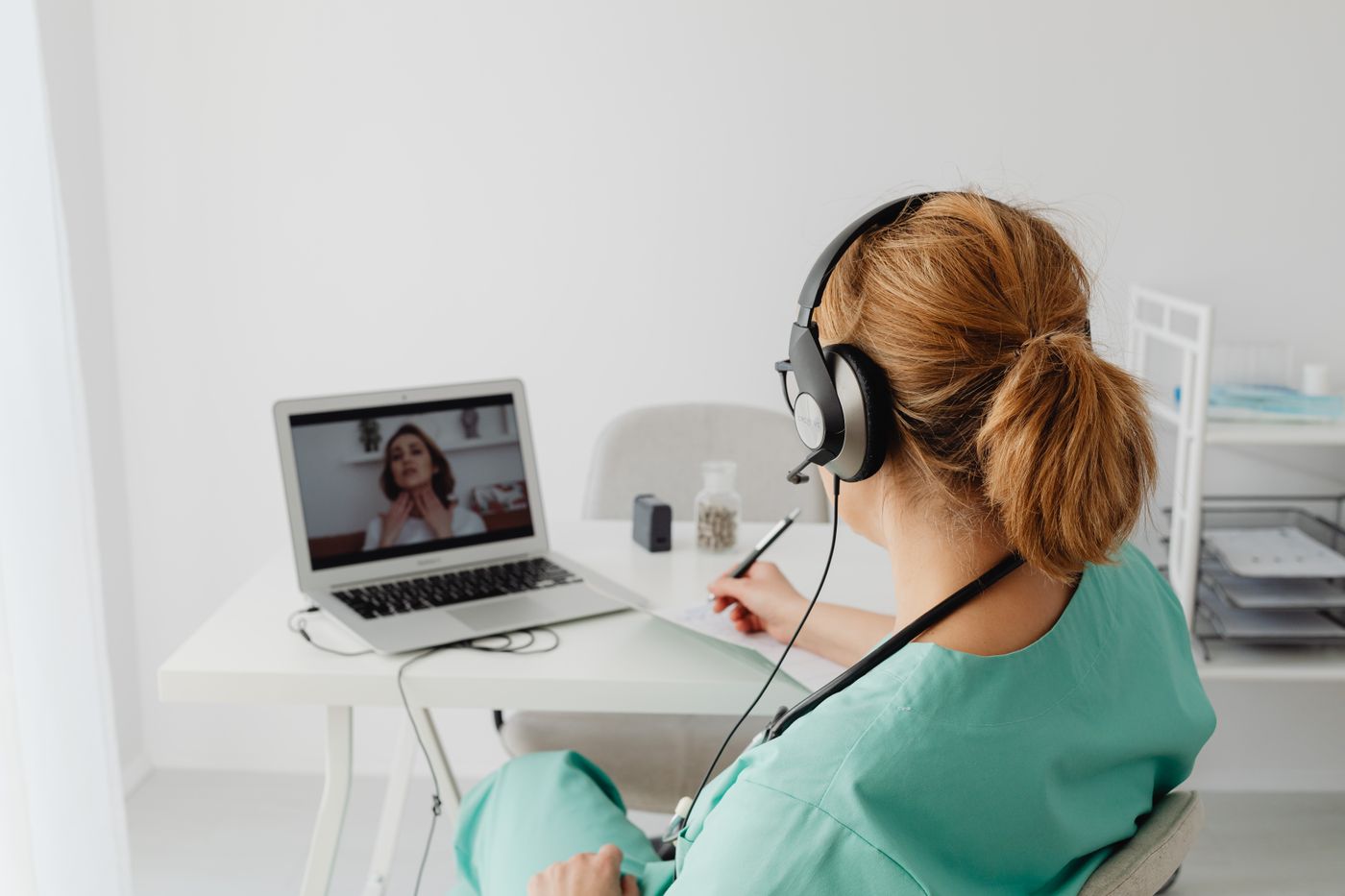
Telepsychiatry is the delivery of psychiatric assessment, consultation, treatment and follow-up using telecommunications technology. It is part of the broader field of telebehavioral health and may allow a patient and psychiatric provider to meet from different locations.
Depending on the service, the clinical situation and applicable rules, telepsychiatry can be used for psychiatric evaluations, medication-management follow-up, symptom monitoring, treatment planning, patient education and coordination of care.
The U.S. Department of Health and Human Services describes telebehavioral health as an important tool for expanding access to behavioral health services. At the same time, state licensure, privacy, informed-consent, prescribing and emergency-planning requirements can affect how a particular service is delivered.
What happens during a telepsychiatry appointment?
The details depend on whether the appointment is an initial evaluation, a medication follow-up or another psychiatric service. A well-conducted virtual visit, however, still follows a clinical process rather than becoming an informal conversation.
When can telepsychiatry be a useful option?
Telepsychiatry can be useful when the service can be provided safely and effectively through virtual communication. It may be especially helpful for patients who would otherwise need to travel farther for care or who have work, caregiving, transportation or mobility constraints.
It can also support continuity. A patient receiving ongoing psychiatric care may be able to complete some follow-up visits from home rather than interrupting treatment because of travel or scheduling barriers.
The best question is not whether telepsychiatry is convenient. It is whether virtual care can meet the patient's clinical needs safely, privately and effectively.
Psychiatric evaluations
Many elements of a psychiatric evaluation can be completed through secure video when clinically appropriate. The provider can gather history, review symptoms, observe behavior and mental status, assess risk and discuss a diagnostic formulation and treatment plan.
Medication-management follow-up
Virtual appointments may also support psychiatric medication management by reviewing symptom response, side effects, adherence and treatment goals. Some medications or clinical circumstances may still require vital signs, laboratory monitoring, outside records or in-person evaluation.
When virtual care may not be enough
Telepsychiatry is not appropriate for every situation. A provider may recommend in-person assessment, medical evaluation or a higher level of care when physical examination, diagnostic testing, intensive monitoring or immediate crisis intervention is needed.
How to prepare for a telepsychiatry appointment
The clinical conversation is central to telepsychiatry, but the environment and technology can affect how smoothly that conversation goes. A few simple steps can reduce interruptions and protect privacy.
New patients can also review the New Patients and Patient Information pages before requesting care.
Privacy, consent and safety still matter online
Behavioral-health conversations often involve highly personal information, so privacy should be considered on both sides of the appointment. Practices should use appropriate systems and workflows for delivering care, while patients should choose a setting where they can speak privately when possible.
HHS guidance for telebehavioral health emphasizes informed consent, protecting patient privacy and creating an emergency plan. Those principles are particularly important in psychiatry because a clinician may need to respond quickly when a patient develops an acute safety concern during a remote visit.
A virtual appointment is not a substitute for emergency intervention. If there is immediate danger, call 911 or seek emergency medical care. In the United States, people experiencing a suicide, mental-health or substance-use crisis can call or text 988. Routine website forms, email and ordinary portal messages should not be relied upon for emergencies.
What if the internet connection fails?
It is useful to know in advance what the practice will do if video or audio fails. Depending on the situation, the provider may reconnect, use another approved communication method or reschedule if a clinically adequate visit cannot be completed.
Why patient location and prescribing rules matter
Telehealth does not erase state boundaries. Behavioral-health professionals remain subject to licensure and scope-of-practice requirements, and those requirements can depend on where the patient is physically located when care is delivered.
Georgia's medical-board rules establish standards for treatment provided by electronic means and state that clinicians providing such care are held to the same standard of care as clinicians using more traditional in-person methods. The rules also address patient history, documentation, emergency follow-up information and other requirements for electronic practice.
Can medications be prescribed through telepsychiatry?
Medications may be prescribed through telehealth in some circumstances, but the rules depend on the medication, the clinical relationship, state law and federal requirements. Controlled substances receive additional regulatory scrutiny.
As of August 2026, the U.S. Drug Enforcement Administration and HHS have extended certain federal telemedicine flexibilities for controlled medications through December 31, 2026. Those federal flexibilities do not override applicable state law, professional scope requirements or the clinician's responsibility to determine whether prescribing is medically appropriate.
Telehealth and prescribing regulations can change. Patients should not assume that a particular medication can automatically be prescribed virtually. The practice must apply the rules in effect at the time of care together with the patient's location and individual clinical circumstances.
For that reason, patients should be prepared for a provider to request records, laboratory work, vital signs, an in-person examination or another evaluation when clinically or legally necessary.
Common questions about telepsychiatry in Georgia
Clinical and policy references
U.S. Department of Health and Human Services. Telehealth for Behavioral Health Care.
U.S. Department of Health and Human Services. Preparing Patients for Telebehavioral Health.
Georgia Composite Medical Board. Rule 360-3-.07 — Practice Through Electronic or Other Such Means.
U.S. Drug Enforcement Administration. Telemedicine Flexibilities for Controlled Medications Through December 31, 2026.
U.S. Department of Health and Human Services. Licensure for Behavioral Health.
Request telepsychiatry care with A to Z Psychiatry and Wellness.
Share the basic information needed for the practice to review your request, physical location and scheduling needs. Submission does not automatically confirm an appointment, establish a provider-patient relationship or guarantee that a particular service or medication can be provided through telehealth.
Medical and regulatory disclaimer: This resource is provided for general educational purposes and does not establish a provider-patient relationship or replace individualized psychiatric evaluation, diagnosis, treatment or legal guidance. Telehealth availability, prescribing requirements and professional practice rules can change and may depend on the patient's physical location, medication involved and individual clinical circumstances.